
Condensation on the Inside of Windows, Is It the Glass or the Room?
Windows · 6 October 2026 · Kieran Myers
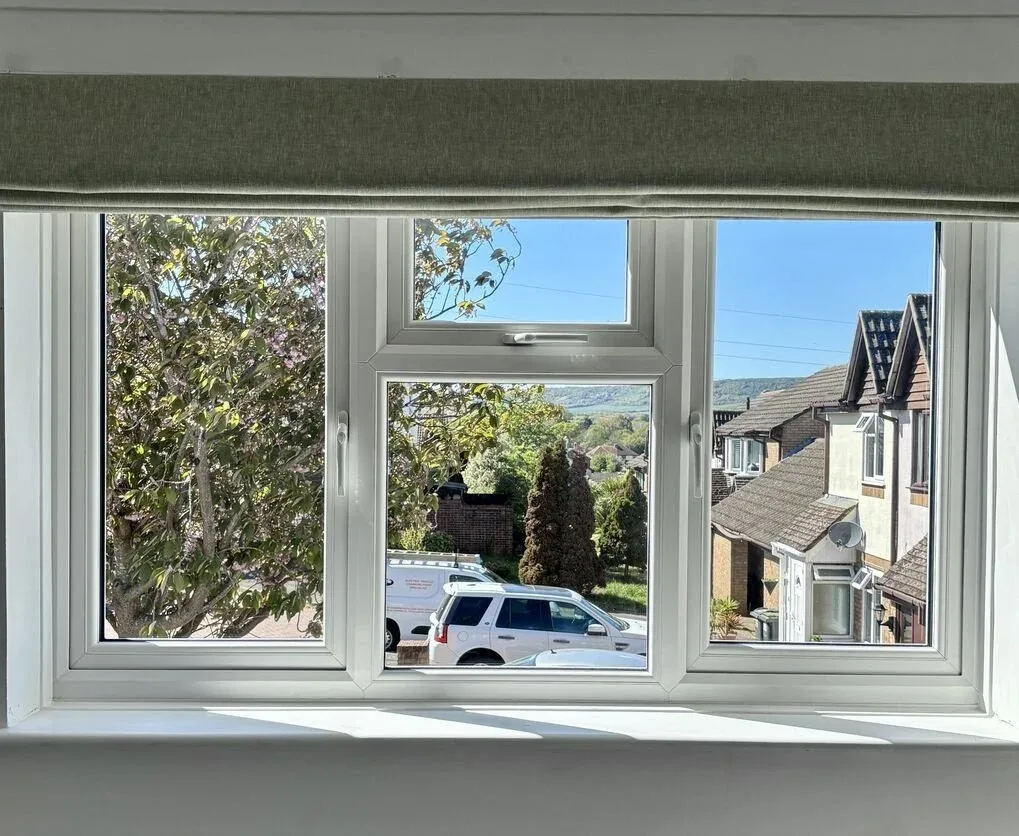
Condensation on the inside of your windows is nearly always caused by the room. Warm air in a home carries moisture from cooking, washing, bathing and breathing, and when that air meets a surface colder than its dew point, the moisture turns back into water. The glass is usually the coldest surface in the room, so that is where it shows. If the windows are sound double glazing, the answer is less moisture and more ventilation, and new windows won't make much difference on their own.
The glass is the cause in two situations. If the condensation is between the two panes of a double glazed unit, the seal has failed and the unit needs replacing. If the windows are single glazed, or old enough that the inner pane stays cold, upgrading them will raise the temperature of the glass on the room side and cut the condensation, although the moisture still needs somewhere to go.
Where the condensation is tells you what is wrong
Wipe the glass on the room side with a dry cloth. If it comes away, it is room-side condensation, caused by the air in the room. If it stays after you have wiped both sides, the moisture is inside the unit, which means misted double glazing and a failed seal, and ventilation won't touch it.
Condensation on the outside of the glass is a third case, and a good sign. The Glass and Glazing Federation explains that it forms when the outer pane is colder than the dew point, and calls it visible evidence of the energy efficiency of the window, because less heat is escaping through the glass to warm it. It usually clears as the morning warms up.
Why it happens more in some rooms than others
The Glass and Glazing Federation's guidance on what affects condensation comes down to a few factors, the amount of water vapour in the air, the temperature inside the room, the temperature outside, and the difference between them. That explains the pattern most people see at home.
Bedrooms stream in the morning because two people breathing overnight in a closed room add a lot of moisture while the glass cools down in the early hours. Kitchens and bathrooms suffer because cooking and showers put out vapour faster than the room can clear it. Rooms that are only heated now and then, such as a spare bedroom, have colder glass and walls, so condensation forms there first. North-facing rooms that never get direct sun are often the worst.
We've found that condensation tends to gather along the bottom of the glass first, where the edge of the sealed unit meets the frame and the surface is at its coldest. On older units with a metal spacer bar between the panes, that bottom edge can stay wet long after the middle of the glass has cleared.
What reduces it
Most of the fixes cost little or nothing. Use the extractor fan when you cook or shower, and leave it running for a while afterwards. Put lids on pans. Dry washing outside or in a vented dryer rather than on radiators. Keep the heating at a steady, moderate level in colder months instead of letting rooms go cold and then heating them quickly. Leave internal doors to steamy rooms shut until the moisture has cleared.
Trickle vents, the small slotted vents along the top of many window frames, are designed to be left open. They let a small, steady amount of air through without the heat loss of an open window, but they only work when they are open, so check yours haven't been shut and forgotten.
In our experience, opening the trickle vents and running an extractor fan works better than replacing sound double glazing for condensation on the inside of the glass, because the moisture comes from the room, and new glass on its own does nothing to remove it. If a customer has decent double glazing and the only complaint is condensation, we will say so rather than quote for new windows.
New windows can move the problem somewhere else
A draughty old window lets a lot of moist air escape through the gaps around it. Replace it with a well-sealed new one and that leak stops, so the moisture has to go somewhere. The Glass and Glazing Federation warns that without adequate ventilation after replacement windows are fitted, the vapour will condense on the coldest surface left in the room, which may no longer be the window but an outside wall.
That is why ventilation is part of the building regulations for replacement windows. Under Approved Document F, which has applied in England since 15 June 2022, the rules depend on what was there before. LABC, the body for local authority building control, sets out the detail in its guide to replacement windows and trickle vents. If the old windows had trickle vents, the new ones should have them too, no smaller than before and controllable. If the old windows had none, the replacements still have to provide adequate ventilation, through trickle vents of a set minimum size, smaller vents where the home has mechanical extract ventilation, or another way of meeting the same standard.
When the glass really is the problem
Single glazing, and very early double glazing, leaves the inner pane close to the outside temperature on a cold night, and no amount of ventilation will stop some condensation forming. The GGF notes that replacing single glazing with energy-efficient double or triple glazing keeps the room-side surface of the glass warmer, which lets the air in the room hold more moisture before it condenses.
Modern units help in two further ways. Low-emissivity glass reflects heat back into the room, keeping the inner pane warmer, and a lower U-value means less heat escaping through the window. Our windows and doors page explains U-values, G-values and Window Energy Ratings, and how to compare one window with another.
We replaced every double glazed window in a house in Bearsted this summer, and the customer wrote in their review that the new windows had made a huge difference to the warmth of their home. Warmer glass is less likely to reach the dew point, which is why better windows do reduce condensation, as long as the room is still ventilated.
Front doors can show the same pattern on their glass, and a door that lets cold air in around its edges makes a hallway colder and damper. If yours is past adjusting, the choice between a composite or a uPVC door mostly comes down to looks and budget, and both types can be made to seal properly.
When condensation turns into damp and mould
A little condensation on a cold morning, wiped away, does no harm. The trouble starts when it runs off the glass every day and soaks into the sill, the seals and the plaster around the window. That is when black mould appears on silicone and in the corners of the reveals, and on timber windows the paint begins to lift and the wood starts to rot.
If you are wiping water off the windows every morning and the room still smells damp, the moisture level needs dealing with at source, through extraction and ventilation. If the mould is on the window seals themselves, it can often be cleaned off, although seals that have been wet for years may need replacing, which is a repair job rather than a new window. Our repairs page covers the faults we deal with most, from failed units to worn hinges and draughty windows.
If you are not sure whether your condensation is coming from the room or the glass, send us a photo on WhatsApp or contact us at KM Glazing, and we will give you a straight answer on whether it needs a repair, better ventilation or new windows.
