
Blog
Windows · 15 November 2026
How to Fix Draughty Windows, and When It Needs a Professional
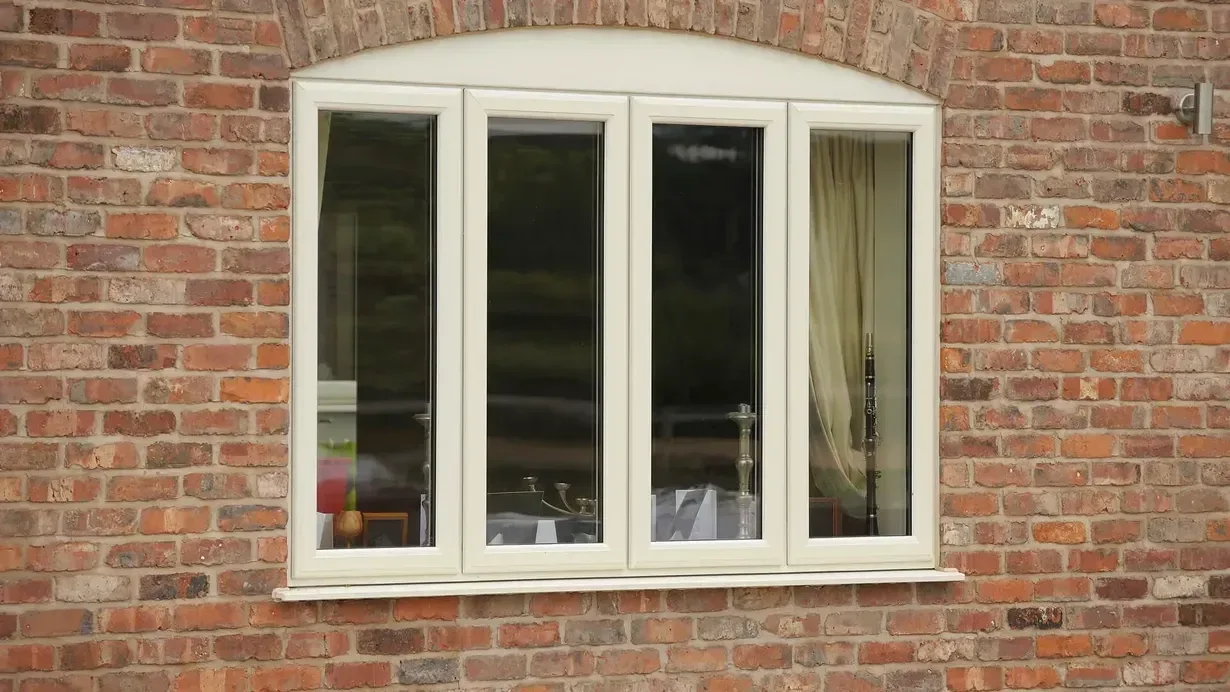
Most draughty windows can be fixed without replacing them. On modern double glazing the draught usually comes from an opening sash that no longer presses tight against its seals, because a seal has worn or shrunk, the keeps have drifted, or a hinge has dropped. On older timber and sash windows it comes through the gaps around the sashes. Find exactly where the air gets in first, because the fix depends on it, and it is often an adjustment or a new seal rather than a new window.
Repairs · 11 November 2026
uPVC Door Hard to Lock? How to Tell If It Has Dropped
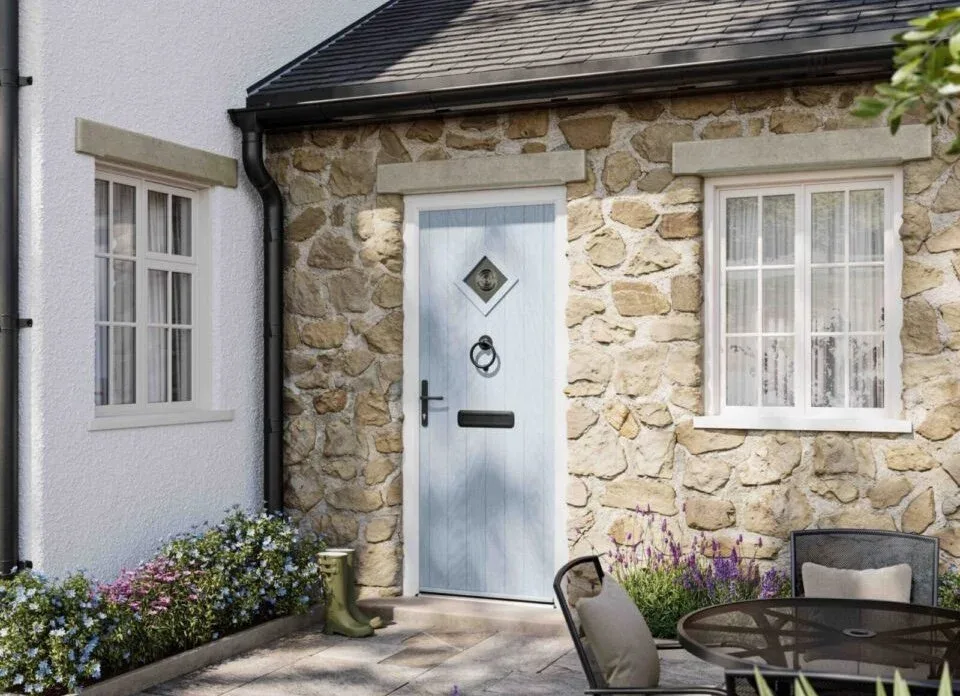
If your uPVC door has gradually become hard to lock, so you have to lift the handle with real effort, lean on the door or jiggle the key, the most likely cause is that the door has dropped slightly on its hinges. A drop of a few millimetres is enough to stop the hooks and bolts of a multi-point lock lining up with the keeps on the frame, and the lock then fights you every time. It is usually put right by adjusting the hinges and keeps, and sometimes by re-packing the glass, rather than by replacing the lock or the door.
Doors · 7 November 2026
Is PVCu the Same as uPVC for Windows and Doors?
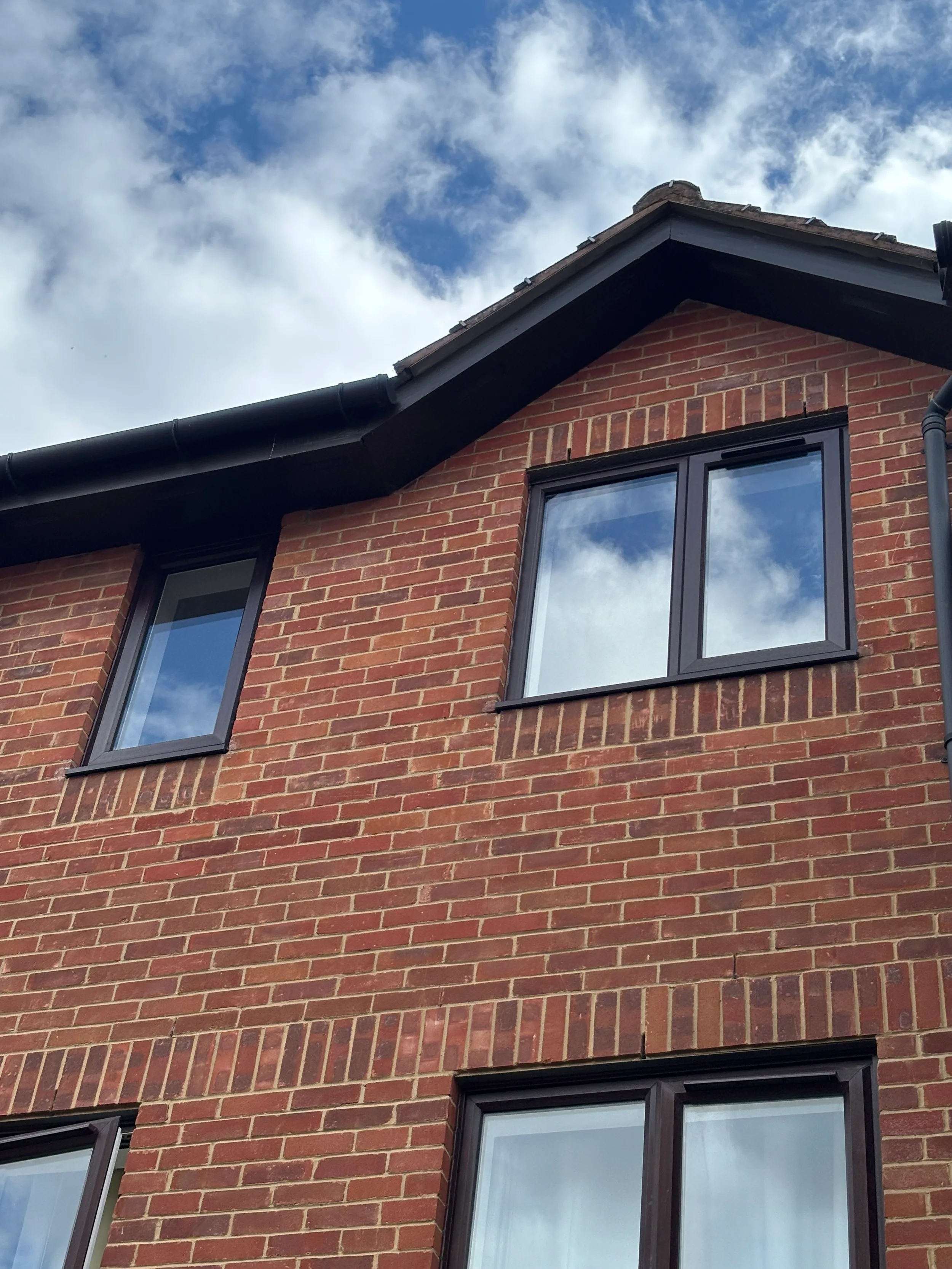
Yes. PVCu and uPVC are the same material, written two ways. Both stand for unplasticised polyvinyl chloride, the rigid plastic used for window frames and door frames, and the only difference is where the letter for "unplasticised" goes. PVCu puts it at the end, the way European standards write it, and uPVC puts it at the front, the way most people in the UK say it. A front door sold as PVCu is no different from one sold as uPVC because of the name.
Doors · 3 November 2026
Can You Get a Front Door Made for a Non-Standard Opening?
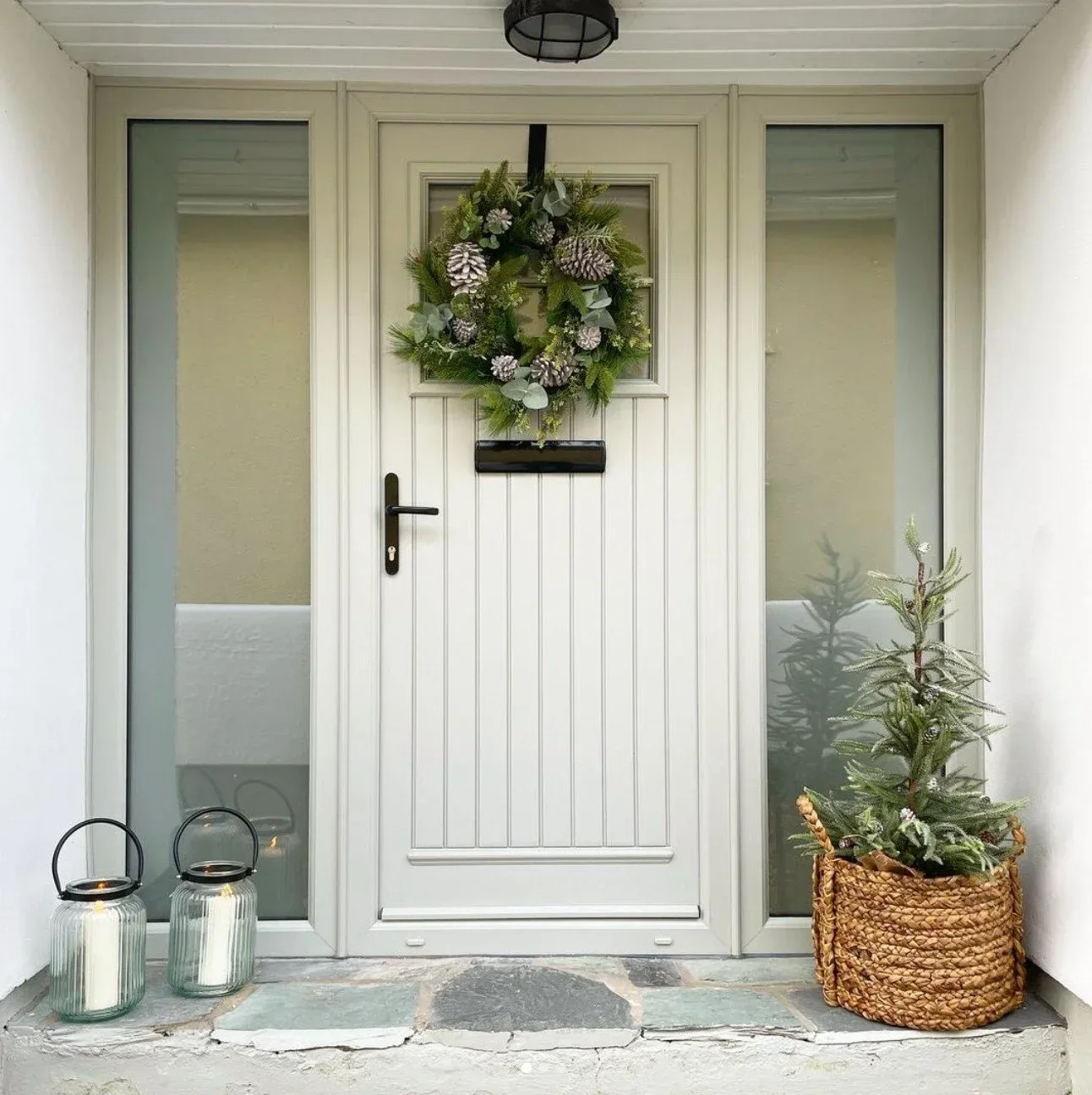
Yes. A new front door is fitted as a complete doorset, the door in its own frame, and it is made to the size of your opening rather than the other way round. An opening that is wider, narrower, taller or shorter than usual can usually be filled in one of four ways, a door and frame made to that size, side panels to take up extra width, a top light to take up extra height, or small additions to the frame to close a gap. Only when the opening is beyond what any door can be made at, or the opening itself has moved, does the brickwork need to change.
Repairs · 30 October 2026
Repair or Replace Your Double Glazing? How We Decide
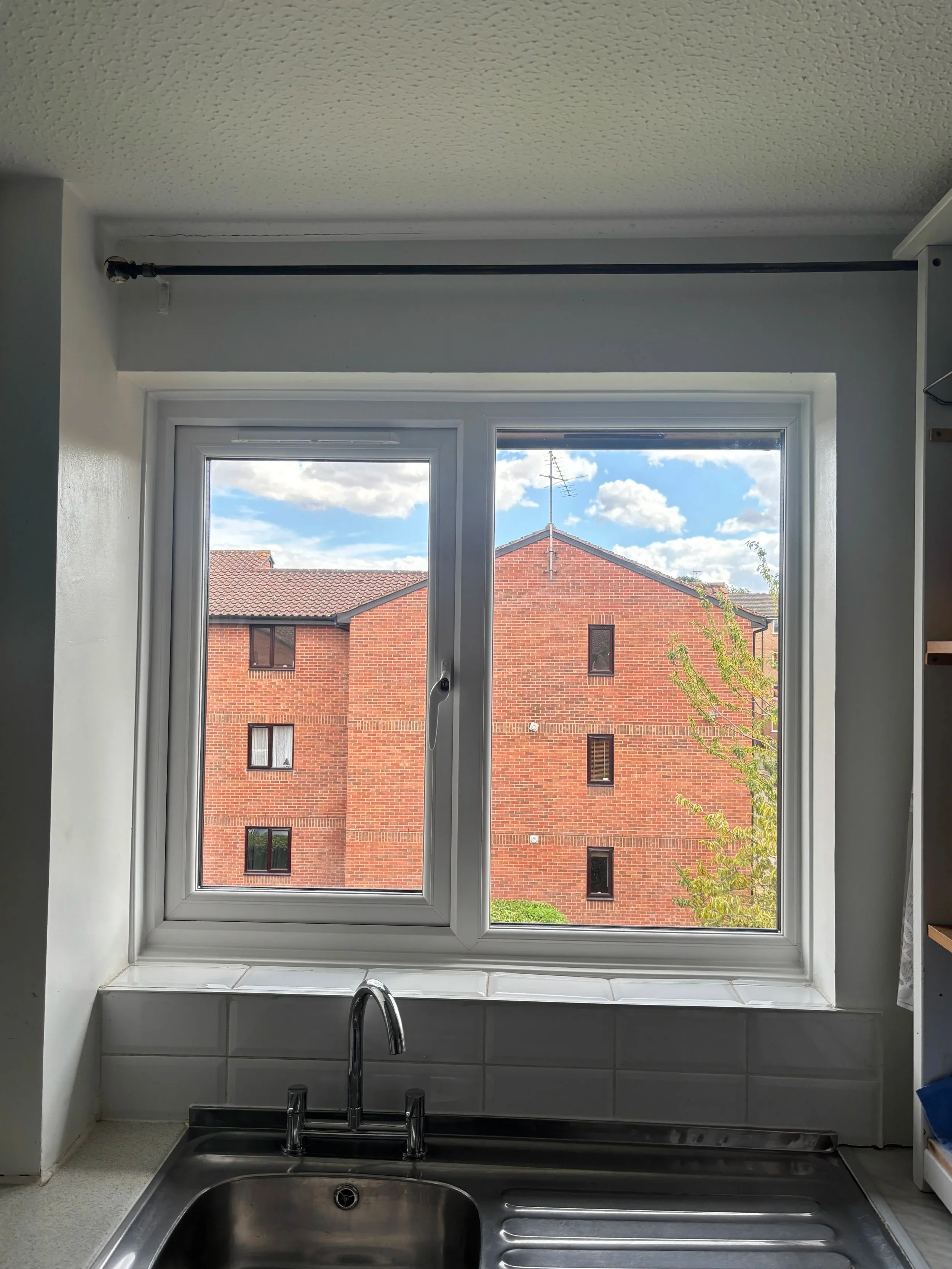
If the frame is sound, repair it. Many faults in double glazing are in a part that can be swapped on its own, the sealed glass unit, a hinge, a handle, a lock or a roller, and none of those means the whole window or door has to go. When we replace failed or damaged glass, we keep the existing frame 90% of the time. Replacement makes sense when the frame itself has failed, when the window is single glazed or very old double glazing, when several things are wearing out at once, or when you want a different style or a better performing window.
New Build · 26 October 2026
What the Future Homes Standard Means for New-Build Windows
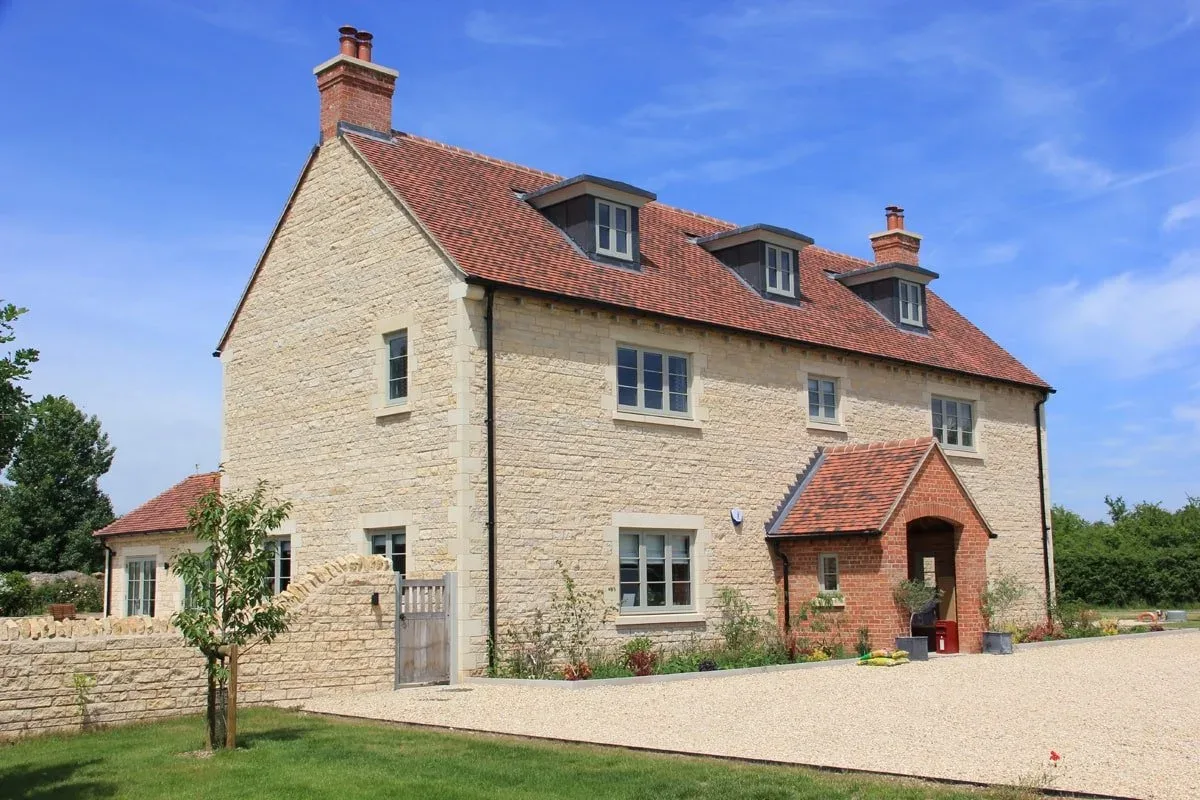
The Future Homes Standard keeps the headline limits for windows in new homes where they are, but changes how a window's performance has to be worked out. From 24 March 2027 in England, a window or door in a new home must still have a U-value no worse than 1.6 W/m²K, exactly as now. What changes is that the U-value must be calculated, or measured, for the actual size and layout of each window, including its sills, frame extenders, dummy sashes and glazing bars, rather than for a standard test size. Smaller and more detailed windows come out worse that way, so some specifications that pass today will not.
New Build · 22 October 2026
Window Problems in New-Build Homes, and Who Should Fix Them
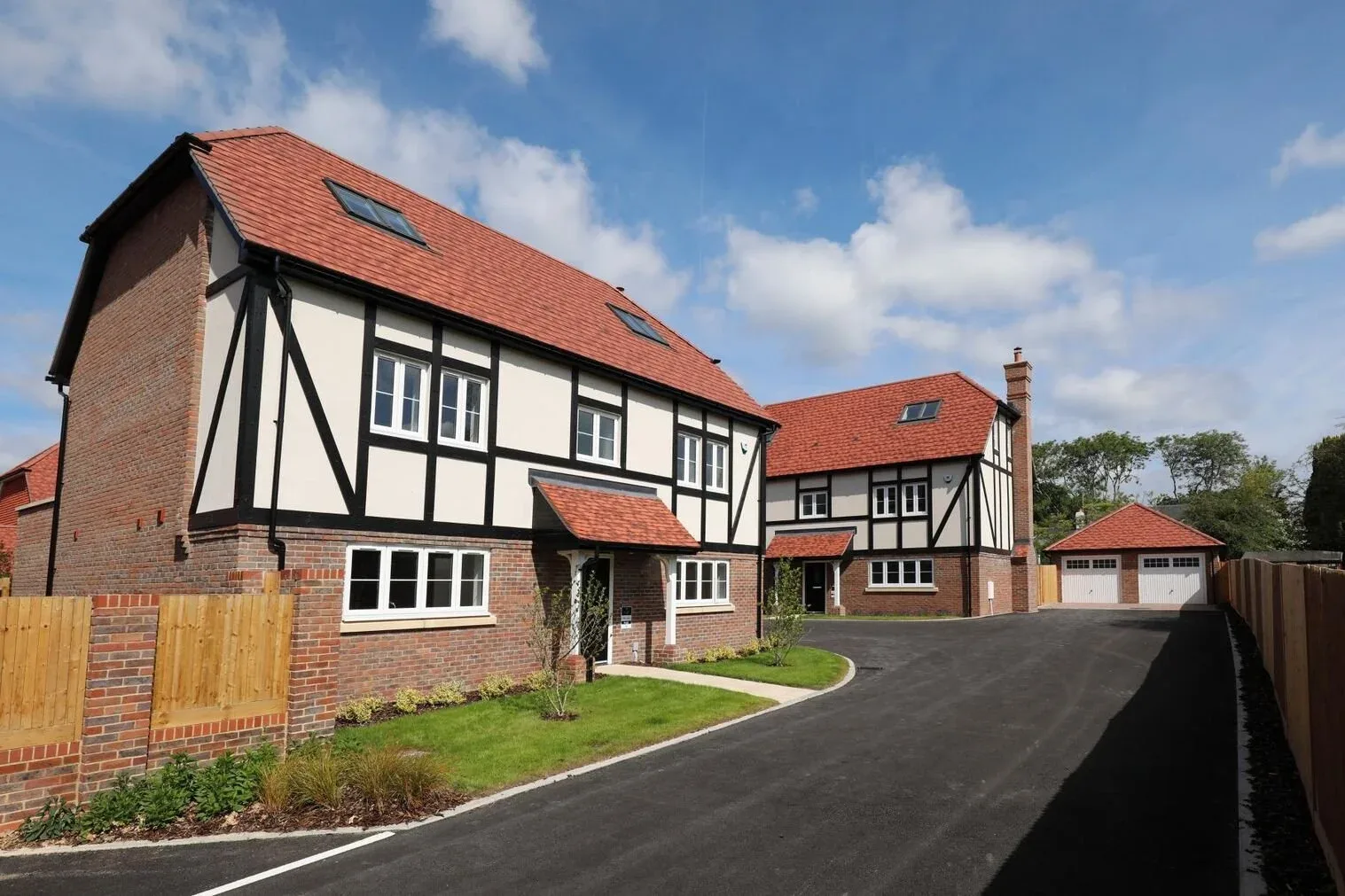
If the windows in your new-build home are sticking, leaking, scratched or refusing to lock, and the house is less than two years old, the developer should normally fix them at no cost to you. That holds even though a glazing firm working for the developer fitted them, because your contract is with the developer, not the installer. Report it to the developer in writing, keep a record, and don't pay a glazier to put right something the developer is responsible for.
Repairs · 18 October 2026
Dropped Bifold Door? Signs, Causes and the Repair
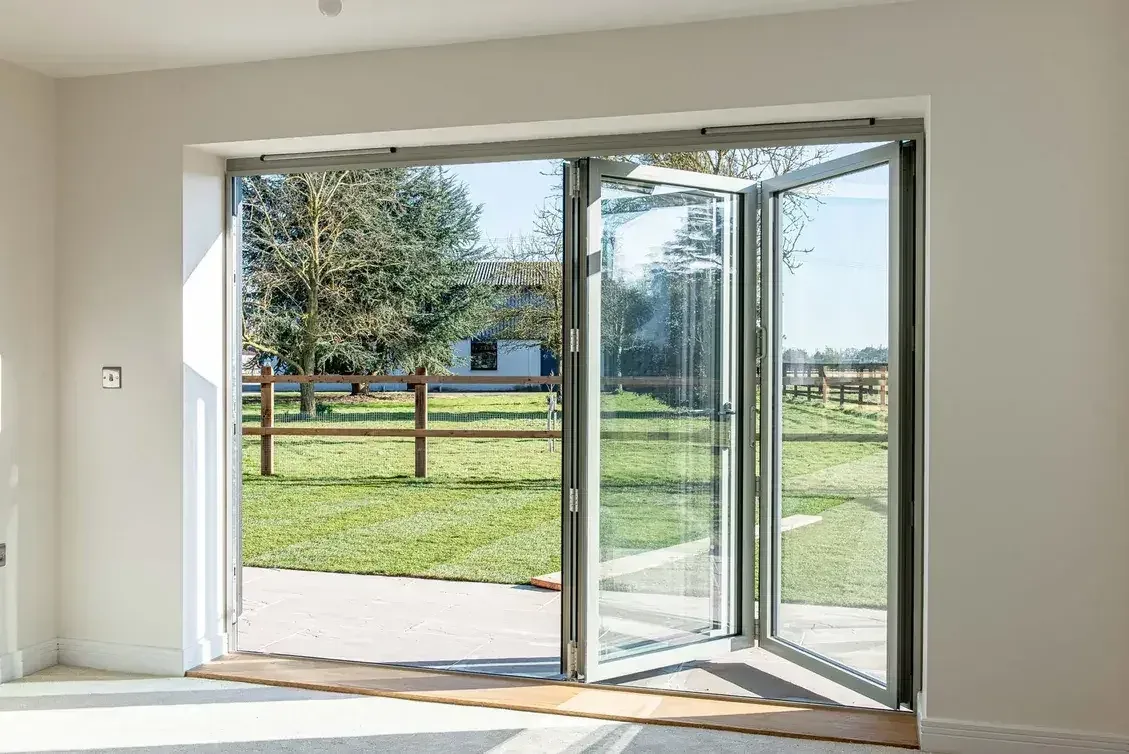
A bifold door has dropped when one or more of its panels has sagged out of line with the frame. You notice it as a door that scrapes along the threshold, catches as it folds, takes a shove to close, or won't let the handle turn far enough to lock. The usual causes are grit in the track, worn rollers, hinges that have worked loose and packing under the frame that has shifted, and all of those are repairs. None of them on its own means the doors need replacing.
Doors · 14 October 2026
What Is the Most Secure Front Door for a UK Home?
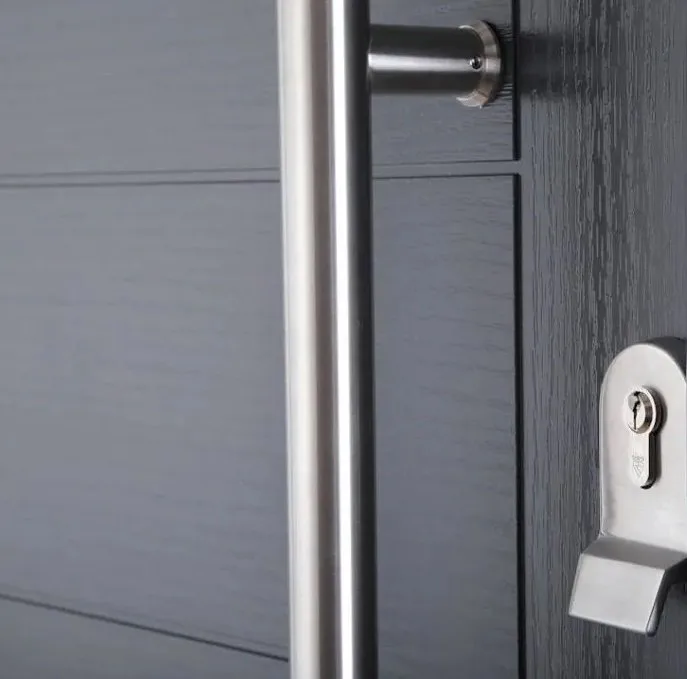
For most UK homes, the most secure front door is a doorset certified to PAS 24, and ideally approved under Secured by Design, with a multipoint lock and an anti-snap euro cylinder rated TS 007 3 star or Sold Secure Diamond, fitted properly into a sound opening. In practice that usually means a composite door, although a uPVC or aluminium door built and certified to the same standard can match it.
Repairs · 10 October 2026
Window Won't Lock? Why It Happens and What a Repair Involves
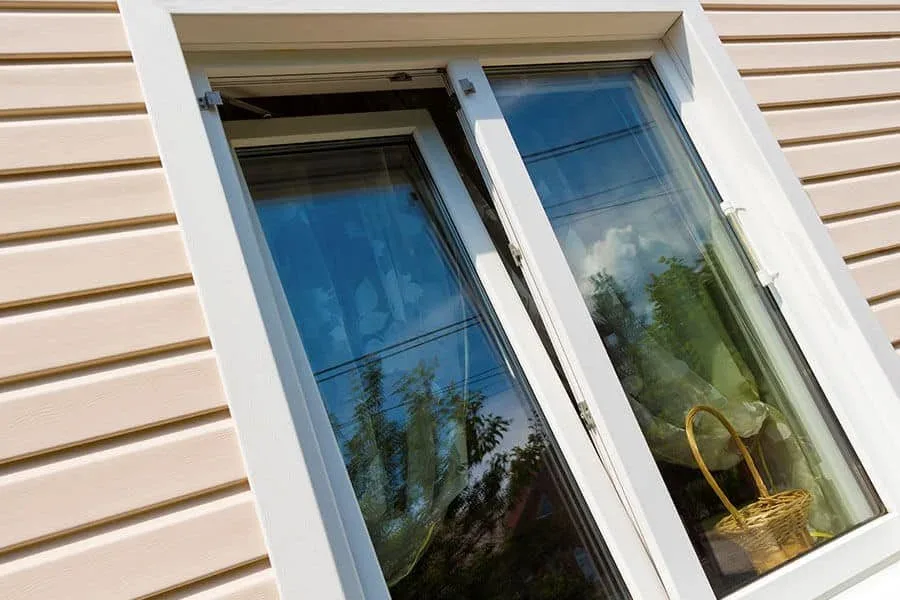
When a uPVC or aluminium window won't lock, the cause is usually one of three things. The handle or the gearbox inside the sash has failed, so turning the handle no longer moves the locking points. The sash has dropped on worn hinges, so the locking points no longer line up with the keeps on the frame. Or a keep has worked loose or broken. All three are repairs, and none of them means the window needs replacing.
Windows · 6 October 2026
Condensation on the Inside of Windows, Is It the Glass or the Room?
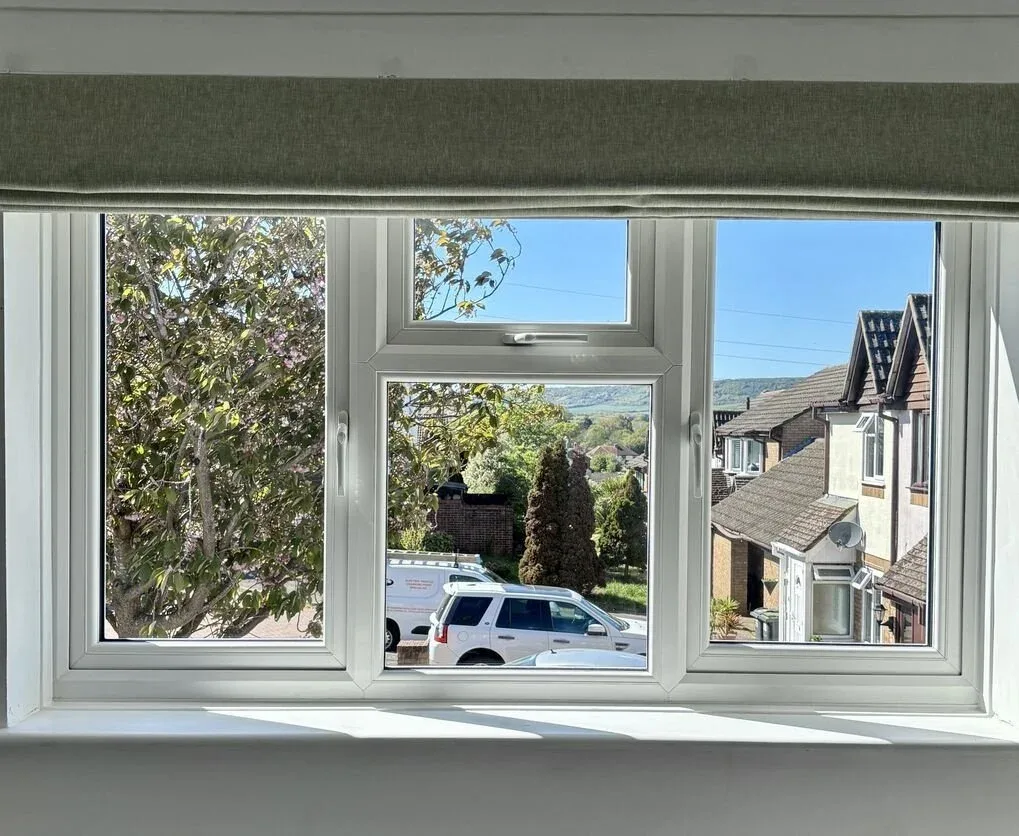
Condensation on the inside of your windows is nearly always caused by the room. Warm air in a home carries moisture from cooking, washing, bathing and breathing, and when that air meets a surface colder than its dew point, the moisture turns back into water. The glass is usually the coldest surface in the room, so that is where it shows. If the windows are sound double glazing, the answer is less moisture and more ventilation, and new windows won't make much difference on their own.
Doors · 2 October 2026
Composite or uPVC Front Door, Which Is Better?
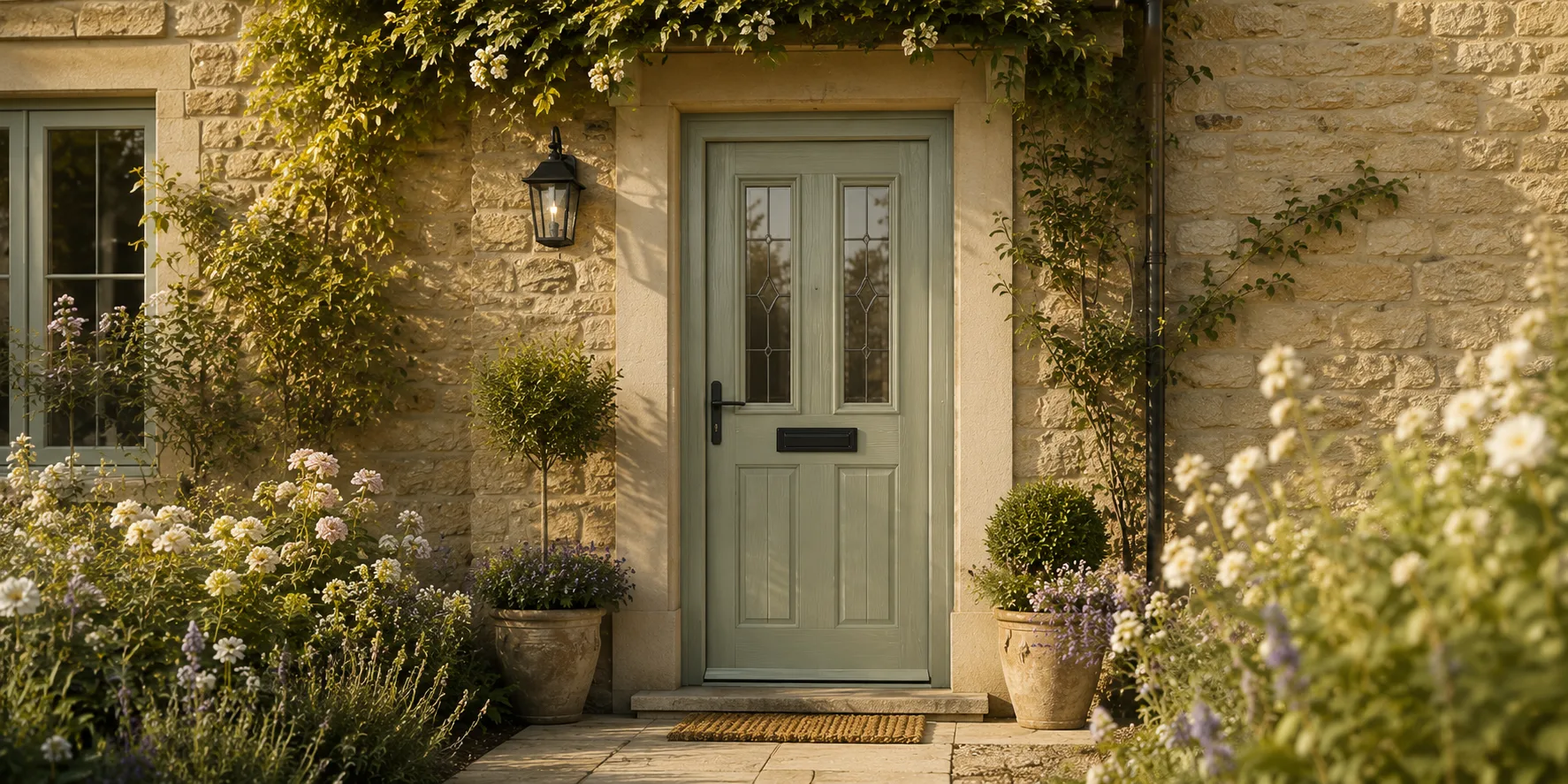
For most front doors, a composite door is the better choice. It is built around a solid, insulated core with a tough glass reinforced plastic skin, it stands up to weather without warping, and it looks far closer to a painted timber door than a uPVC panel door does. It costs more, and for the door people see first when they arrive at your home, that extra is usually money well spent.
Repairs · 29 September 2026
Misted Double Glazing, Can You Replace Just the Glass?
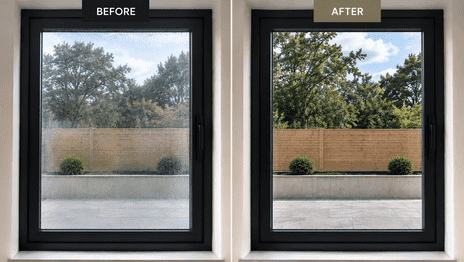
Yes. In most cases misted double glazing is fixed by replacing only the glass, meaning the sealed unit that sits inside the frame, while the frame, hinges and locks stay where they are. The mist can't be cleared, because it forms inside a sealed gap that can't be opened without ruining the unit, but a new unit made to the same size fits straight into the existing frame. When we replace failed or damaged glass, we keep the customer's existing frame 90% of the time.
