
Window Problems in New-Build Homes, and Who Should Fix Them
New Build · 22 October 2026 · Kieran Myers
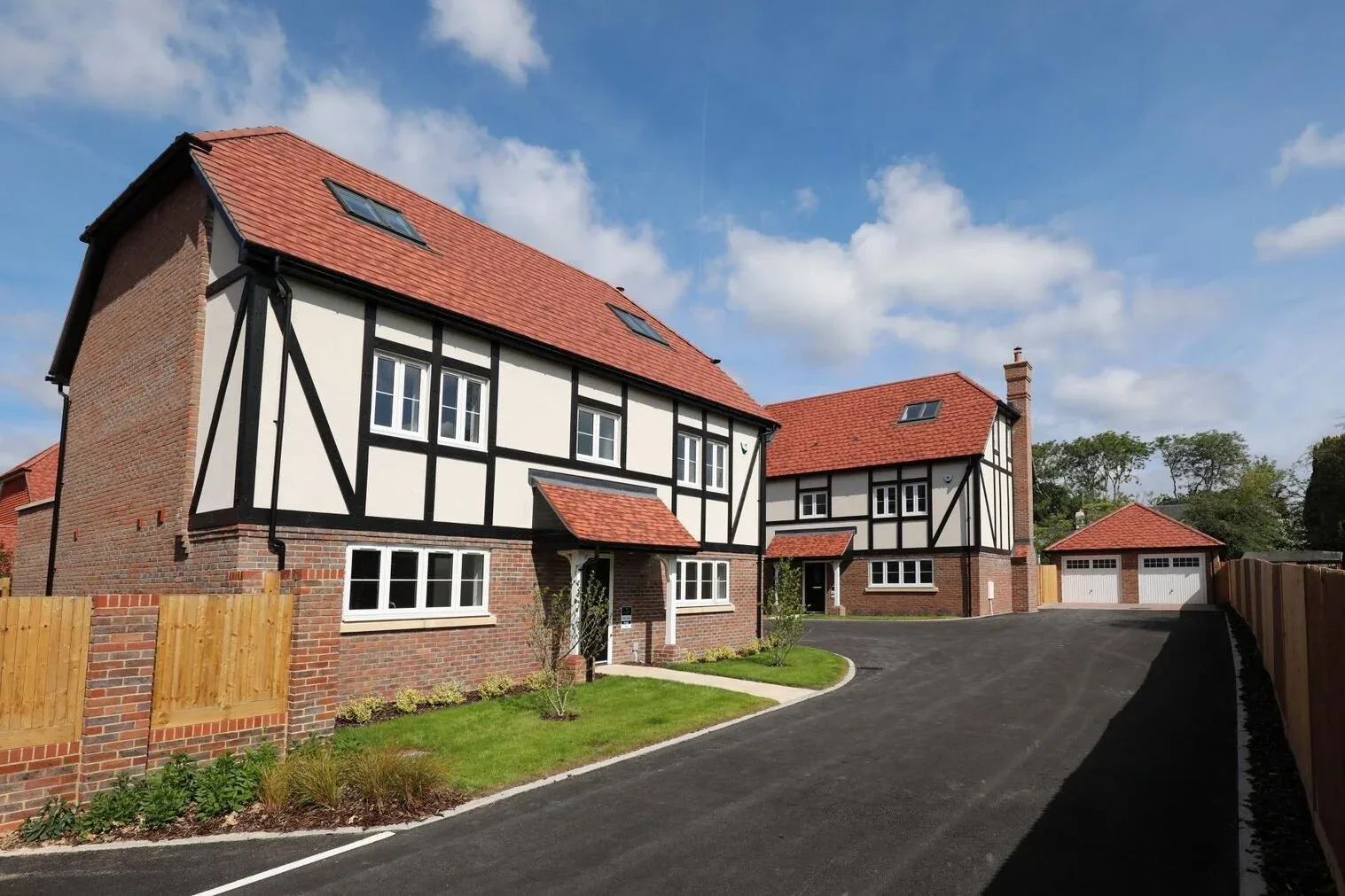
If the windows in your new-build home are sticking, leaking, scratched or refusing to lock, and the house is less than two years old, the developer should normally fix them at no cost to you. That holds even though a glazing firm working for the developer fitted them, because your contract is with the developer, not the installer. Report it to the developer in writing, keep a record, and don't pay a glazier to put right something the developer is responsible for.
After the first two years the picture changes. Repairs and maintenance become yours, although some warranties still cover defects in the glass itself for up to ten years. Typical problems include condensation while the house dries out, sashes and doors that need adjusting, damage to glass and frames from the building work, and leaks around the frames, and each one has a clear route to getting it fixed.
Who is responsible, and for how long
New homes usually come with a ten year warranty, from NHBC or another provider, and the first two years are usually a builder warranty period. In NHBC's own words on the first two years of cover, the builder, not NHBC, is responsible for putting right problems that come from the builder failing to meet NHBC's requirements.
NHBC's current Buildmark policy, for homes registered from 1 April 2022, adds an important detail. Defects you report to the builder during the builder warranty period remain the builder's responsibility even after that period ends. So if something is starting to go wrong as the two years run out, report it before they do.
Many developers have also signed up to the New Homes Quality Code. If yours has, the New Homes Quality Board says that buyers covered by the Code can use the New Homes Ombudsman Service from the point of reservation and for two years after legal completion. Your sales paperwork will say which warranty and which code apply, and if it isn't NHBC, read that provider's policy, because the details differ.
We see this from the other side. We were set up to fit glazing on new-build developments, and we still work with builders, developers and architects from the specification through to installation. On a development, the window installer answers to the developer, which is why your report goes to the developer and not to whichever firm's van you saw on site.
Check every window in the first week
The first few days in a new home are when faults are easiest to prove. NHBC recommends inspecting your home before you complete and again when you move in, and its new home checklist asks whether the window frames are free from damage, whether the glazing is free from scratches, paint splashes and cracks, whether the windows open and shut properly with a key for each lock, and whether the locks and bolts on the doors engage properly.
Speed matters for one kind of fault in particular. NHBC's Buildmark policy booklet excludes cosmetic damage that isn't reported to the builder within seven days of completion, and the example it gives is scratches to windows. A scratch you find in week three is much harder to pin on the build than one you report in week one.
Go round every room with this list in daylight.
Open, close and lock each window and door, and make sure every handle turns fully
Look across the glass at an angle for scratches, chips and marks under any protective film
Check the frames, sills and seals for knocks, splashes of paint or mortar, and gaps in the sealant around the outside
Find the trickle vents in the top of the frames and make sure they open and close
Check the keys for every locking handle and the front and back doors
Photograph anything you find, and send the list to the developer in one email so there is a dated record.
Window problems in new builds, and what causes them
Condensation while the house dries out
A new house holds a lot of water from the plaster, the screed and the mortar, and that construction moisture dries out steadily over time. In the meantime, NHBC's advice on moisture in new homes is to keep the trickle vents open to reduce condensation, open windows when it is safe to, keep the home well heated and simply wipe away condensation that forms on the windows. Heavy condensation on the inside of the glass in the first winter is often this, not a faulty window. The causes and fixes for condensation on the inside of windows are the same in an older home, with the extra moisture of a new build on top.
Moisture between the two panes of a sealed unit is different. That means the seal has failed, and in the first two years it is normally the developer's to put right.
Sashes that catch, handles that stick and locks that won't engage
A sash that catches on the frame, a handle that is stiff to turn or a lock that won't engage usually comes down to the hinges or the keeps being out of adjustment rather than a faulty window. In the builder warranty period that adjustment is for the developer to arrange. The same faults in an older window, and what a repair involves, are covered in why a window won't lock.
Doors behave the same way. New sliding patio doors that drag, or bi-folds that are hard to open and close, usually need their rollers, hinges or alignment set properly, and the signs are the same as for a dropped bifold door in an older house.
Damage from the building work
Glass and frames are fitted while the rest of the house is still being built, so they can pick up scratches, chips, knocks and splashes of mortar or paint. This is the cosmetic damage the seven day rule is about, so report it straight away.
Leaks and draughts around the frames
Water coming in around a window after rain, damp patches on the reveals, or a cold draught at the edge of the frame usually point to how the window was fitted into the wall, the sealing, the cavity closers or the trays above, rather than to the window itself. That is building work, and it belongs with the developer. Photograph it, note the date and the weather, and report it quickly, because water left to run into a wall causes damage of its own.
How to report it so it gets fixed
Write to the developer's customer care team, by email if they offer it, and describe each window by room and side of the house, with photographs. Keep a copy of everything you send and receive, and note any calls with the date and the name of the person you spoke to.
Give them reasonable access to put it right. NHBC's resolution service only steps in once the builder has been told, has had reasonable time and access, and you have been through the builder's own complaints process to a final response. If you pay someone else to fix the fault first, the developer never gets that chance, which can weaken your position if you need to escalate.
After the first two years
Once the builder warranty period is over, day-to-day repairs are yours. NHBC's current policy still covers physical damage from defects in the double or triple glazed panes of outside windows and doors, where the builder failed to meet NHBC's requirements, as long as the repair is above the minimum claim value on your policy schedule. The frames, hinges and locks aren't on that list, and other warranty providers set their own terms.
Problems with a window this new are usually repairs, not replacements. Worn hinges, stiff locks and misted units can be dealt with on their own, and with misted double glazing we can usually replace just the sealed unit and keep the existing frame. Our repairs service covers hinges, locks, handles, misted and broken glass, and door adjustments, including patio doors and bi-folds.
There is rarely a reason to replace windows in a house this new. If you are thinking about it for looks, such as a new front door or opening up the back of the house, that is a home improvement, and it is a different conversation from fixing a fault.
Newer estates across Kent
New-build glazing has been part of the business since the start, and our installers have worked on everything from single windows to large housing developments across Maidstone, Medway, Ashford and the rest of Kent. The new-build glazing we supply and fit for builders and developers runs from windows and doors to bi-folds, curtain walling and shop fronts.
Newer estates such as Kings Hill near West Malling, Finberry and Kingsnorth in Ashford, Rochester Riverside in Rochester and St Mary's Island in Chatham are all within the areas we cover. If you own a new flat in one of them, or anywhere else, the Planning Portal's guidance on changing doors and windows notes that a leaseholder may first need permission from the landlord or management company before changing them, even once any fault has been put right.
If your home is still inside its first two years, start with the developer. If it is past that, or you are not sure whether a fault is yours to fix, send us a photo on WhatsApp or contact us at KM Glazing, and we will tell you honestly whether it is a repair, an adjustment or something to take back to the builder.
