
Is PVCu the Same as uPVC for Windows and Doors?
Doors · 7 November 2026 · Kieran Myers
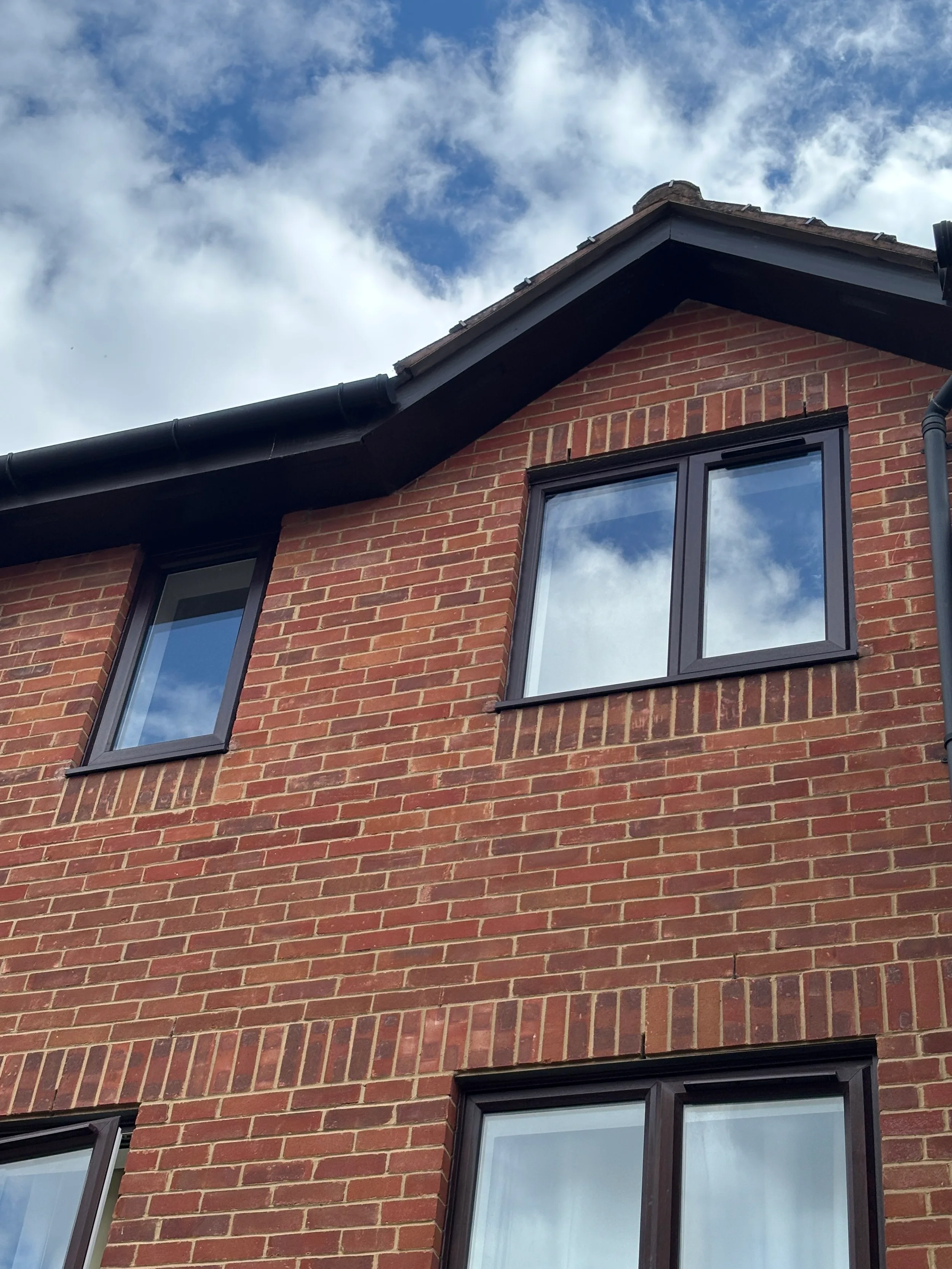
Yes. PVCu and uPVC are the same material, written two ways. Both stand for unplasticised polyvinyl chloride, the rigid plastic used for window frames and door frames, and the only difference is where the letter for "unplasticised" goes. PVCu puts it at the end, the way European standards write it, and uPVC puts it at the front, the way most people in the UK say it. A front door sold as PVCu is no different from one sold as uPVC because of the name.
What does differ is everything else about the door or window, the frame system it is made from, the steel inside it, the locks, the glass and how well it is fitted. Two doors with the same label can be very different products, so those are the things to compare when you are choosing.
What the letters mean
PVC is polyvinyl chloride, one of the most common plastics in the world. It comes in two broad forms. The flexible kind has plasticisers added, which is what makes things like cable insulation bend. The rigid kind has none. Wikipedia's article on PVC puts it plainly, unplasticised PVC should not contain any plasticiser, and rigid PVC is the type used in construction for pipes, doors and windows.
So the "u" simply tells you it is the rigid, unplasticised form. Without it, the material would be too soft to hold a door square or keep a window frame straight.
Why you see both names
The British Standard for window and door profiles is written the European way. Its title is BS EN 12608-1, "Unplasticized poly(vinyl chloride) (PVC-U) profiles for the fabrication of windows and doors", so technical documents and many manufacturers use PVC-U or PVCu.
Most homeowners, and most installers' websites, say uPVC, and plenty of companies use both. VEKA, one of the profile makers on our trusted partners list, describes itself in its own words as making "PVCu window and door systems", while the title of the same web page calls it a "UPVC Supplier". It is the same material in both places, labelled for two different readers.
So if one quote says PVCu and another says uPVC, you are not being offered two different plastics. Compare what the quotes say about the profile, the reinforcement, the locks and the glass instead.
What really makes one uPVC door better than another
The profile
The profile is the shape the plastic is extruded into, the hollow sections that make up the frame and the door. BS EN 12608-1 sets out how these profiles are classified and tested. Profiles differ in the thickness of their walls, the number of chambers inside them and how they are reinforced, and door frames are often reinforced with steel inside the plastic to keep them rigid and give the screws for the hinges and locks something solid to bite into. Ask which profile system a door is made from, because that tells you more than the spelling of the material.
The door panel
A uPVC door is usually a uPVC frame holding a panel, which may be flat, moulded or partly glazed. That is the main difference from a composite door, which is a solid slab with a tough outer skin over an insulated core. The trade-offs between the two, from security to how they look, are set out in composite or uPVC front door, and for most front doors a composite is the better choice.
The locks
Whatever the door is made of, the locking system matters more than the name of the plastic. Most uPVC doors lock at several points along the frame and are worked by a key cylinder, and the cylinder is where many break-ins are aimed. The Master Locksmiths Association explains lock snapping and advises a cylinder approved to Sold Secure Diamond, or at least TS007 3 star, sitting no more than 3mm proud of the handle. The rest of what to look for is covered in the most secure front door.
The glass
Glass in a door needs to be safe if it breaks. The building regulations for doors and windows treat glazing in a door up to 1500mm from the floor as a critical area, so it should be safety glass, toughened or laminated.
The energy rating
A replacement door has the same energy standard whatever it is called. Under Approved Document L, a replacement door in an existing home should reach a U-value of 1.4 W/m²K, or a Doorset Energy Rating of band C where more than 60% of it is glazed, or band B for other doors. Our windows and doors page explains U-values and energy ratings if you are comparing quotes.
PVCu, composite and fibreglass
People also ask how a composite door compares with a fibreglass one. In the UK the two are usually the same idea. The outer skin of most composite doors is GRP, glass reinforced plastic, and Wikipedia's article on fibreglass confirms that glass-reinforced plastic is simply another name for fibreglass. So a "fibreglass door" and a "composite door" both describe a door with a fibreglass skin, and the real differences lie underneath, in the core and the frame.
A uPVC door is different again, because its panel and frame are the plastic itself rather than a skin over a core. If you are weighing up the three, it is worth asking what is inside each door, not just what is on the outside.
Coloured uPVC
Most uPVC frames are white, but they come in other colours too. The British Standard has separate parts for profiles covered with foils and for profiles covered with paint, which is how a coloured or woodgrain uPVC frame is made. If colour matters to you, ask which finish a quote is for and how it is guaranteed.
For a front door in a strong colour, a composite door gives the widest choice. There are 43 shades on our composite door colours page, 6 standard and 37 premium, and the composite door glass page shows the glass designs that go with them.
Repairs are the same too
Because PVCu and uPVC are the same thing, so are their faults and their repairs. Hinges wear, keeps drift out of line and gearboxes in multi-point locks break if they are forced, and the cure for a window that won't lock is usually a part or an adjustment rather than a new window. Our repairs service covers uPVC, composite and aluminium doors as well as windows.
We supply and fit bespoke uPVC windows and doors, including uPVC French doors, alongside composite front doors. If you have two quotes that use different names and want to know what you are really comparing, send them over or contact us at KM Glazing, and we will tell you what to look at.
