
How to Fix Draughty Windows, and When It Needs a Professional
Windows · 15 November 2026 · Kieran Myers
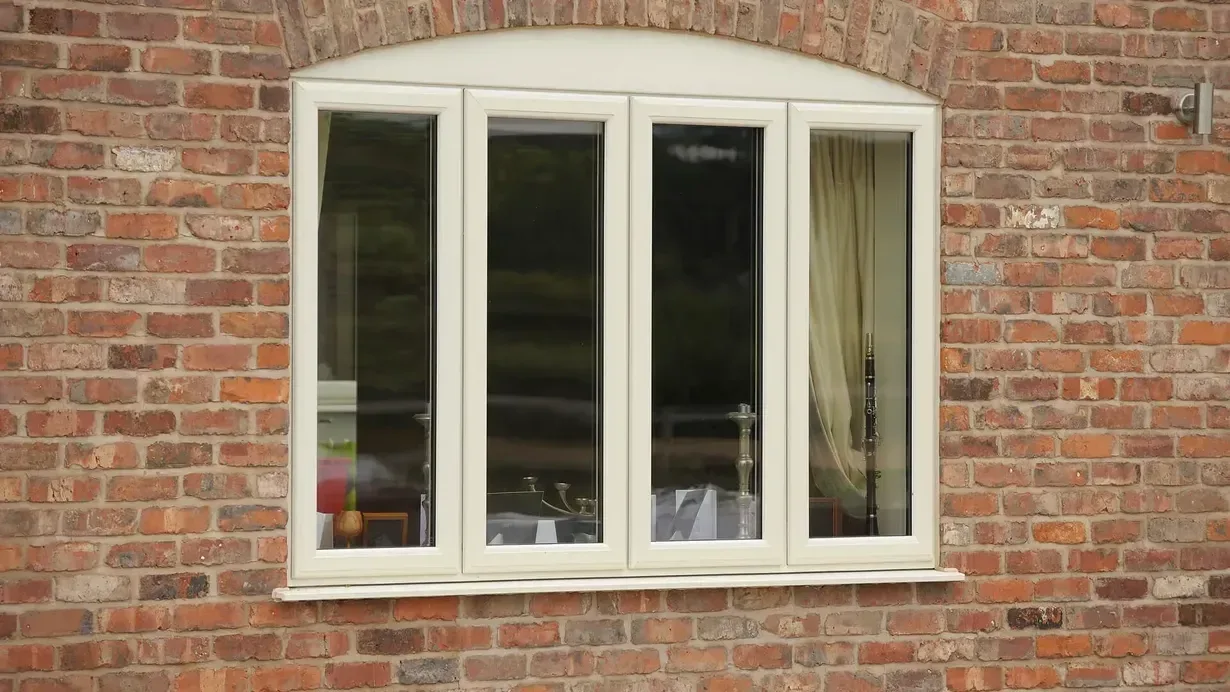
Most draughty windows can be fixed without replacing them. On modern double glazing the draught usually comes from an opening sash that no longer presses tight against its seals, because a seal has worn or shrunk, the keeps have drifted, or a hinge has dropped. On older timber and sash windows it comes through the gaps around the sashes. Find exactly where the air gets in first, because the fix depends on it, and it is often an adjustment or a new seal rather than a new window.
Some fixes are simple jobs you can do yourself, like fitting draught strips to a timber window or resealing a gap outside. Adjusting hinges and keeps, replacing seals on uPVC and aluminium windows and putting right a sash that has dropped are usually better left to a glazier. The one thing never to block is the trickle vent at the top of the frame, which is there on purpose.
Find the draught first
Wait for a cold or windy day. Run the back of a slightly damp hand slowly round the edge of each opening sash, then round the outside edge of the frame where it meets the wall. Air you can feel moving is a draught, and where you feel it tells you the cause.
For an opening sash, try the paper test. Close the window on a strip of paper at several points round the sash and pull it out each time. Where the paper slides out easily, the sash is not pressing on its seal there. Where it grips, the seal is doing its job.
A draught at a window comes from one of three places.
Round the opening sash, where the seals meet the frame
Round the outside of the frame, where it meets the wall
Through the trickle vent at the top of the frame, which is meant to let a little air in
Draughts on uPVC and aluminium windows
Modern windows seal with rubber gaskets in the sash and frame, which the sash squashes as it closes. Three things stop that happening.
The gaskets themselves wear. Over the years they flatten, shrink at the corners, harden or pull out of their grooves, and a gap opens up. Replacement gaskets to suit the window's profile can be fitted to the existing frame.
The keeps drift. The keeps on the frame hold the locking points on the sash, and on many windows they can be adjusted to pull the sash in tighter. If they have worked loose or been set too slack, the sash closes and locks but never quite presses home.
The hinges drop. A sash that has dropped on worn hinges sits low at the lock side, leaving a gap along the top. Stiff, dropped or jammed windows are often caused by worn hinges or faulty mechanisms, and they can usually be repaired. A window like this may also be hard to lock, and the causes of a window that won't lock overlap with the causes of a draught.
These repairs can come together in one visit. One customer in Maidstone had window hinges, a back door lock and three misted units replaced in the summer, and another had window hinges and a door lock put right in September. Our repairs service covers draughty windows alongside hinges, locks, handles and glass.
Draughts on timber and sash windows
Older timber windows were made to move, and the gaps that let them open freely also let air in. A government factsheet on draught proofing suggests foam, metal or plastic draught strips around windows, and brush seals on the sash edges of sliding sash windows, so the sashes can still slide. Strips like these are a reasonable job for a careful DIYer, but the window needs to be in sound repair first, or the strip only hides the problem.
If your sash windows are past repairing, the sash windows page explains replacements that keep a period look. In a conservation area or a listed building, check with the council before changing the windows themselves.
Draughts round the frame
A draught between the frame and the wall is not a window fault at all. The sealant outside cracks and pulls away over time, and the gap behind an internal trim can let cold air in. Cutting out old sealant and running a new bead of a suitable sealant outside is often enough.
If water comes in at the same place after rain, the problem is how the window was fitted into the wall, and it needs looking at properly. In a house less than two years old, that is usually for the developer to put right, as covered in window problems in new-build homes.
The vents you should not block
The slotted vent along the top of many window frames is a trickle vent. It lets a small, steady amount of air in on purpose. The Glass and Glazing Federation's guidance on windows explains that a home still needs ventilation after replacement windows are fitted, or the water vapour from everyday life condenses on the coldest surface it can find. Ventilation rules for replacement windows are set out in Approved Document F.
So close the trickle vents on a bitterly cold night if you must, but do not tape over them or fill them in. Sealing a home tight without ventilation trades a draught for damp, and the signs and fixes for condensation on the inside of windows are the result.
Draughty doors
Doors let in draughts the same way windows do. The same factsheet suggests brush or hinged-flap excluders along the bottom of outside doors and a brush or flap cover on the letterbox. A door that has dropped on its hinges leaves a gap at the top as well, and the signs of a uPVC door that has dropped are worth checking before buying excluders.
When it needs a professional
Call a glazier when the fix is inside the window. Adjusting hinges and keeps so the sash closes evenly, replacing worn gaskets with the right profile, swapping a worn hinge or gearbox, or re-packing a sash that has dropped all need the right parts and some knowledge of how the window is put together. Done badly, an adjustment can make a window harder to lock or leave it leaking water as well as air.
Replacement is the answer only when the window itself has failed. Single glazing, frames that are rotten or warped, or very early double glazing with several faults at once are the cases where new windows make the real difference. When we replaced every double glazed window in a house in Bearsted this summer, the customer wrote that the new windows had made a huge difference to the warmth of their home. How to weigh it up is set out in repair or replace your double glazing.
If you have a draught you cannot track down, or windows that will not seal however you close them, send us a short video on WhatsApp or contact us at KM Glazing, and we will tell you whether it is an adjustment, a seal or something that needs replacing.
